Different answers
Customers hear one thing from one department and another from the next.
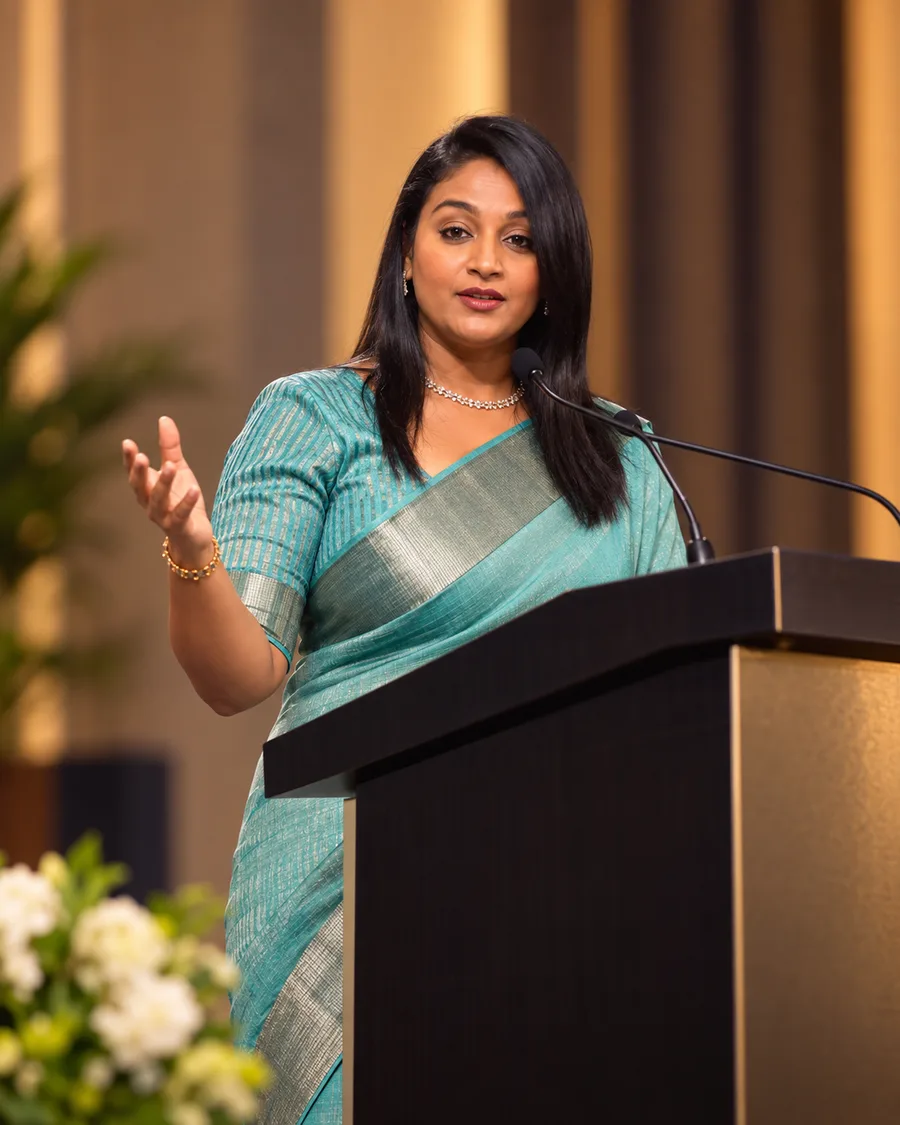
Service Architect is my signature approach to understanding service and communication as a whole business capability — not simply a frontline training exercise.
Service is often reduced to “Be friendly. Smile more. Show empathy.” Those things matter, but outstanding service is shaped by much more: leadership, culture, communication, standards, handovers, digital behaviour and the systems surrounding the customer.
The customer may not always be right. But they should always feel heard.
Before a programme starts, the job is to identify the pressure points shaping the customer experience.
Customers hear one thing from one department and another from the next.
Customers hear one thing from one department and another from the next.
Face to face confidence exists, but email, WhatsApp or call etiquette weakens trust.
Leaders want better service, but the internal behaviours do not model it consistently.
Complaints and friction points are treated as incidents instead of patterns to solve.

WHAT SERVICE ARCHITECTURE LOOKS AT
The behaviours, clarity and standards leaders model and reinforce.
The behaviours, clarity and standards leaders model and reinforce.
The skill, confidence, judgement and ownership people bring to the interaction.
What happens between teams, departments, customers and stakeholders.
Etiquette, grooming, presence, tone and conduct across different situations.
Service quality across calls, email, WhatsApp, social media and hybrid touchpoints.
The indicators that show whether behaviour and customer experience are improving.
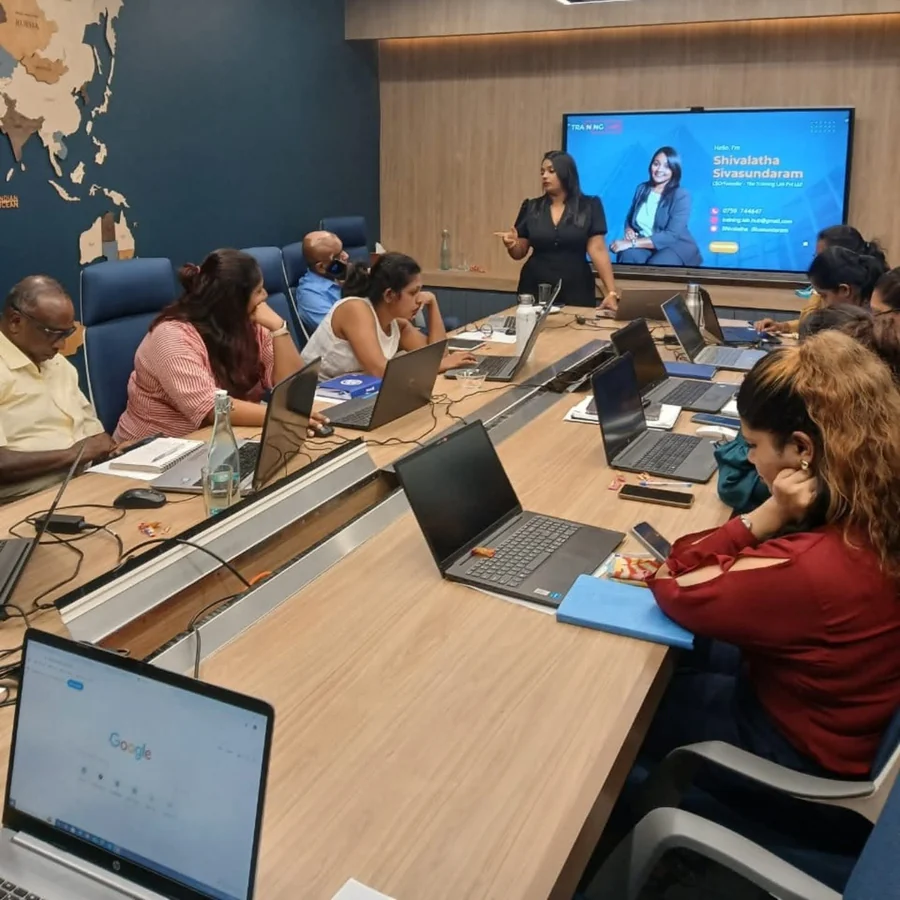
A practical intervention moves from problem statement to visible behaviour change.
Diagnose. Clarify what is happening, where, for whom and with what consequence.
Map. Track the customer moments, internal handovers and behaviours creating friction.
Design. Adapt the content, examples and activities to the audience and industry.
Practise. Use live scenarios, role play and observation instead of passive listening.
Embed. Give leaders and teams simple tools to reinforce the new standard.
Service now moves between physical and digital touchpoints, often within the same conversation.
Each touchpoint either reinforces trust or weakens it.
Each touchpoint either reinforces trust or weakens it.
People need judgement and structure, not scripted sameness.
Modern customer service training must include behaviour beyond the training room.
PROFESSIONAL ETIQUETTE
Trust often forms before the technical conversation begins.
Trust often forms before the technical conversation begins.
EXPERIENCE OVER LECTURE
The learning becomes more powerful when participants experience the customer perspective.
Notice the gap first-hand.
Test real behaviour, not just theory.
Work with situations people actually face.
Turn insight into practical change.
You do not need a perfect brief. Start with what you are seeing, and we can shape the right next step.
Service Architect is my signature approach to understanding service and communication as a whole business capability — not simply a frontline training exercise.
Service is often reduced to “Be friendly. Smile more. Show empathy.” Those things matter, but outstanding service is shaped by much more: leadership, culture, communication, standards, handovers, digital behaviour and the systems surrounding the customer.
I enjoy looking beyond the obvious, connecting those dots and helping organizations make better service easier to understand, practise and sustain.
Plays automatically without sound · tap “Listen with sound” when you want audio
THE REAL QUESTION
Before a programme starts, the job is to identify the pressure points shaping the customer experience.
Customers hear one thing from one department and another from the next.
Face to face confidence exists, but email, WhatsApp or call etiquette weakens trust.
Leaders want better service, but the internal behaviours do not model it consistently.
Complaints and friction points are treated as incidents instead of patterns to solve.
WHAT SERVICE ARCHITECTURE LOOKS AT
The behaviours, clarity and standards leaders model and reinforce.
The skill, confidence, judgement and ownership people bring to the interaction.
What happens between teams, departments, customers and stakeholders.
Etiquette, grooming, presence, tone and conduct across different situations.
Service quality across calls, email, WhatsApp, social media and hybrid touchpoints.
The indicators that show whether behaviour and customer experience are improving.
THE METHOD
A practical intervention moves from problem statement to visible behaviour change.
Diagnose. Clarify what is happening, where, for whom and with what consequence.
Map. Track the customer moments, internal handovers and behaviours creating friction.
Design. Adapt the content, examples and activities to the audience and industry.
Practise. Use live scenarios, role play and observation instead of passive listening.
Embed. Give leaders and teams simple tools to reinforce the new standard.
MODERN SERVICE
Service now moves between physical and digital touchpoints, often within the same conversation.
Each touchpoint either reinforces trust or weakens it.
People need judgement and structure, not scripted sameness.
Modern customer service training must include behaviour beyond the training room.
PROFESSIONAL ETIQUETTE
Trust often forms before the technical conversation begins.
Professional standards are often the first proof of the culture behind the brand.ETIQUETTE · PRESENCE · CONDUCT
EXPERIENCE OVER LECTURE
The learning becomes more powerful when participants experience the customer perspective.
Notice the gap first-hand.
Test real behaviour, not just theory.
Work with situations people actually face.
Turn insight into practical change.
WHO THIS IS FOR